Born on May 27, 1907 on a farm in Springdale, Pennsylvania, Carson was the youngest of Robert and Maria McLean Carson’s three children. She developed a love of nature from her mother, and Carson became a published writer for children’s magazines by age 10.
She attended the Pennsylvania College for Women (now Chatham University), graduating magna cum laude in 1929. She next studied at the oceanographic institute at Woods Hole, Massachusetts and at Johns Hopkins University, where she received a master’s degree in zoology in 1932. Strained family finances forced her to forego pursuit of a doctorate and help support her mother and, later, two orphaned nieces.
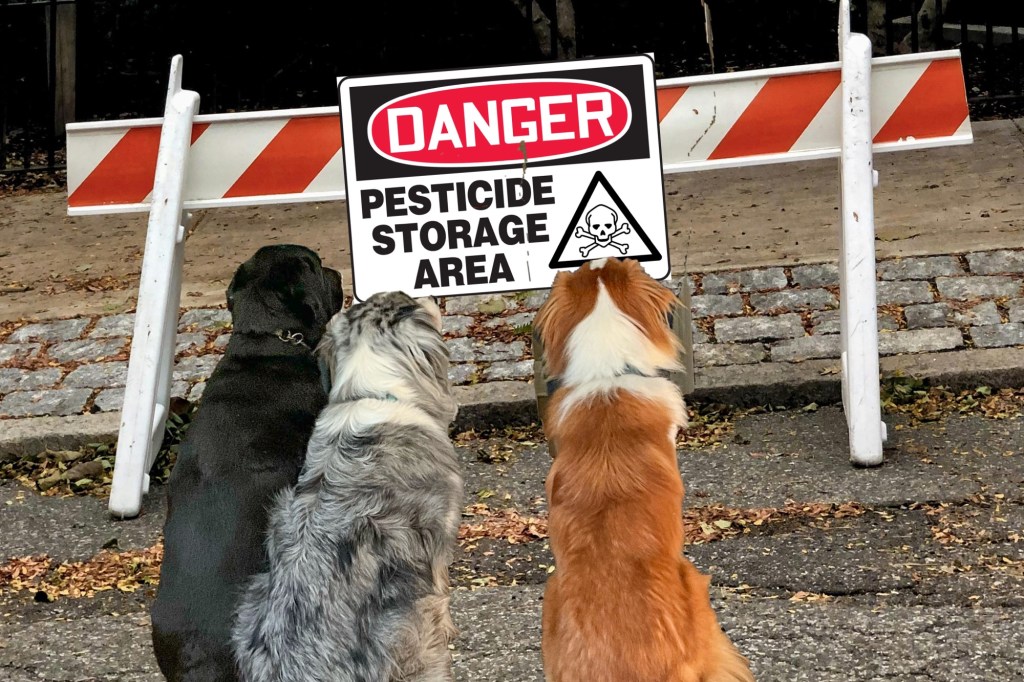
A marine biologist and nature writer, Rachel Carson catalyzed the global environmental movement with her 1962 book Silent Spring. Outlining the dangers of chemical pesticides, the book led to a nationwide ban on DDT and other pesticides and sparked the movement that ultimately led to the creation of the US Environmental Protection Agency (EPA).
Meanwhile, she wrote several popular books about aquatic life, among them Under the Sea Wind (1941) and The Sea Around Us (1951). The latter was serialized in the New Yorker and sold well worldwide. She won a National Book Award, a national science writing-prize and a Guggenheim grant, which, with the book’s sales, enabled her to move to Southport Island, Maine in 1953 to concentrate on writing. In 1955, she published The Edge of the Sea, another popular seller.
Miss Carson’s position had been summarized this way: “Chemicals are the sinister and little‐recognized partners of radiation in changing the very nature of the world‐the very nature of life….“Can anyone believe it is possible to lay down such a barrage of poisons on the surface of the earth without making it unfit for all life ?
A letter from a friend in Duxbury, Massachusetts about the loss of bird life after pesticide spraying inspired Carson to write Silent Spring. The book primarily focuses on pesticides’ effects on ecosystems, but four chapters detail their impact on humans, including cancer. She also accused the chemical industry of spreading misinformation and public officials of accepting industry claims uncritically.
Chemical companies sought to discredit her as a Communist or hysterical woman. Many pulled their ads from the CBS Reports TV special on April 3, 1963, entitled “The Silent Spring of Rachel Carson.” Still, roughly 15 million viewers tuned in, and that, combined with President John F. Kennedy’s Science Advisory Committee Report—which validated Carson’s research—made pesticides a major public issue. Carson received medals from the National Audubon Society and the American Geographical Society, and induction into the American Academy of Arts and Letters.
Miss Carson had two favorite birds, a member of the thrush family called the veery, and the tern, a small, blackcapped gull‐like bird with swal‐lowlike forked tails. In manner, Miss Carson was a small, solemn‐looking woman with the steady forthright gaze of a type that is sometimes common to thoughtful children who prefer to listen rather than to talk. She was politely friendly but reserved and was not given to quick smiles or to encouraging conversation even with her fans.
SOURCE: National bWomen’s History Museum
 Near Shore Radio