With one stroke of the legislative pen, the pirate radio stations were decimated. A few, such as Radio Caroline, continued under these new restrictions, but most like the esteemed Radio London closed. By September 1967, the power of the pirate radio stations had all but gone.

The pirate stations had helped shape a revolution in listening habits in the UK, but it was the BBC that inherited the fruits of this pioneering effort. As Robin Scott, the newly installed BBC joint Controller of the Light Programme and the Popular Music Service in 1967 – later to become Radio 2 and Radio 1, respectively – explains, it was his job to reconstruct the architecture of pop music broadcasting out of the ruins of the pirate stations

The Marine, &c., Broadcasting (Offences) Act 1967 (c. 41), shortened to Marine Broadcasting Offences Act or “Marine offences Act”, became law in the United Kingdom at midnight on Monday 14 August 1967. It was subsequently amended by the Wireless Telegraphy Act 2006 and the Broadcasting Act 1990. ] Its purpose was to extend the powers of the Wireless Telegraphy Act 1949 (which was incorporated by this Act), beyond the territorial land area and territorial waters of the UK to cover airspace and external bodies of water.
The Act represented the UK’s ratification of the 1965 “European Agreement for the Prevention of Broadcasts Transmitted from Stations outside National Territories” (sometimes referred to as the “Council of Europe Strasbourg Convention” or “Strasbourg Treaty”).
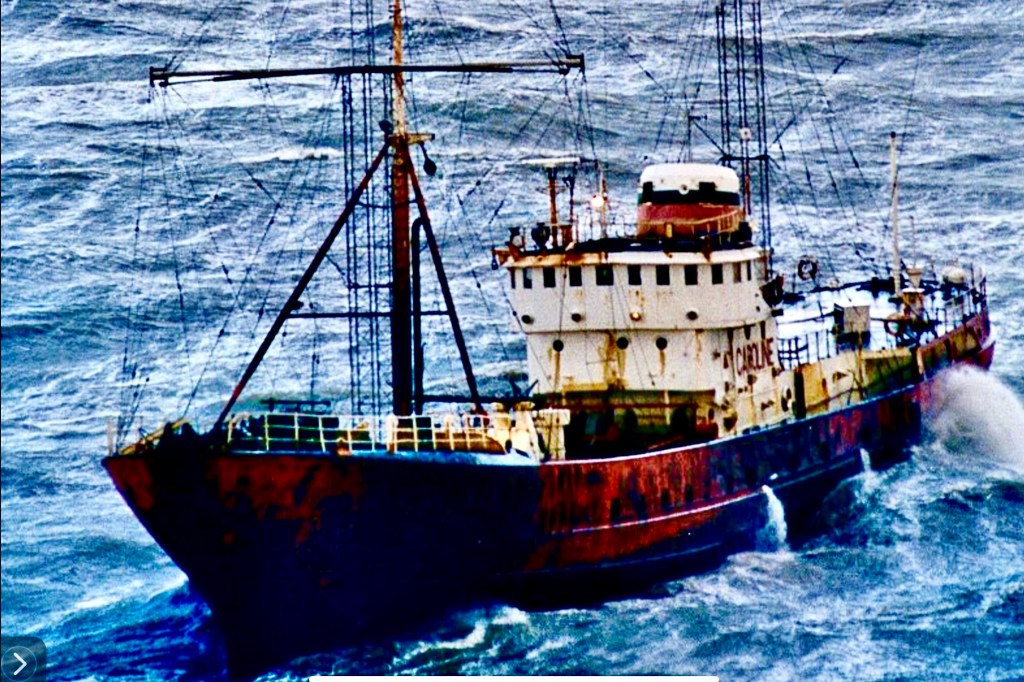
At the time that the Bill was introduced in Parliament in 1966, there were radio stations and proposals for television stations outside British licensing jurisdiction with signals aimed at Britain. These stations were anchored at sea but there were press reports of stations broadcasting from aircraft – Caroline TV,[4] and from a ship – Radex
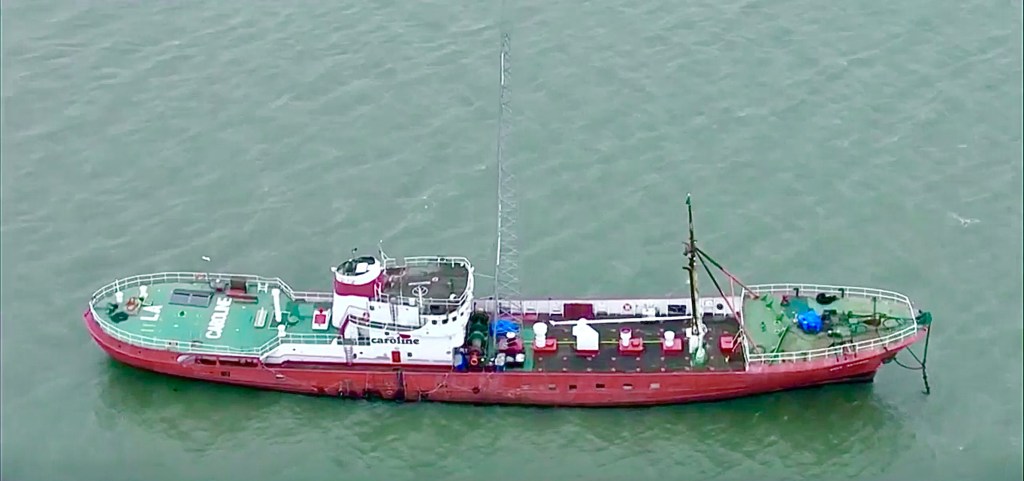
The Act extended to the Channel Islands and the Isle of Man (despite the protests of the Governments there). The Act meant that the operation of offshore, pirate radio stations became illegal if they were operated or assisted by persons subject to UK law. It prohibited “carrying by water or air goods or persons to or from it” which made tendering illegal. Station operators thought they could continue if they were staffed, supplied and funded by non-British citizens, but this largely proved impractical.
SOURCES: B.B.C.; Wiki-2; Sky News, Offshore Radio Hall Of Fame
 Near Shore Radio